The one-sheet conversation
Use a single sheet and a simple fold to put two ideas in dialogue. Make the outside ask a question that the inside develops.
Zovemari / A small-press fieldguide
READ IT. FOLD IT. PASS IT ON.A publication is an idea you can hold. Get it off the screen and onto the worktable — one fold, one proof, one small edition at a time.
Open the workshop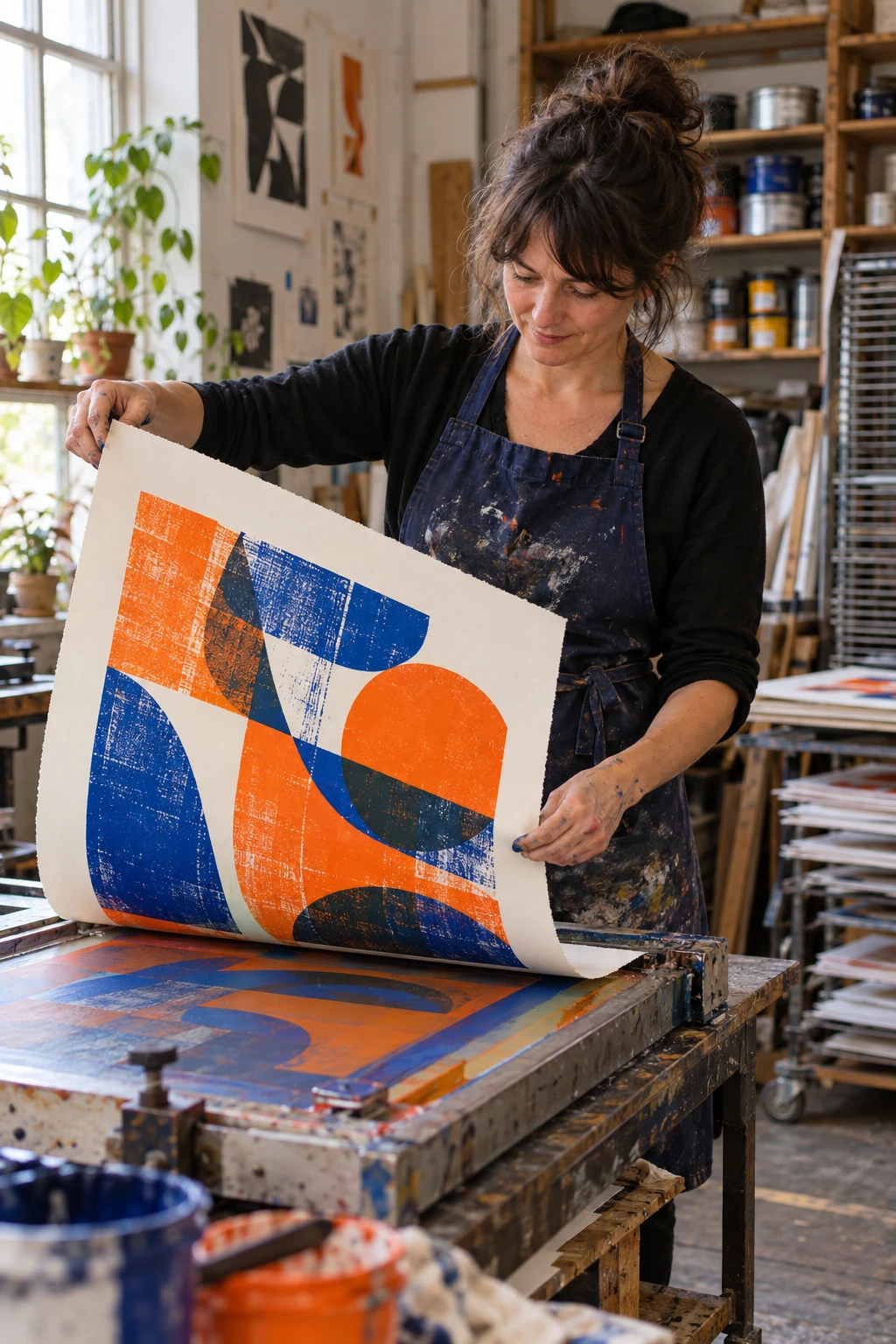
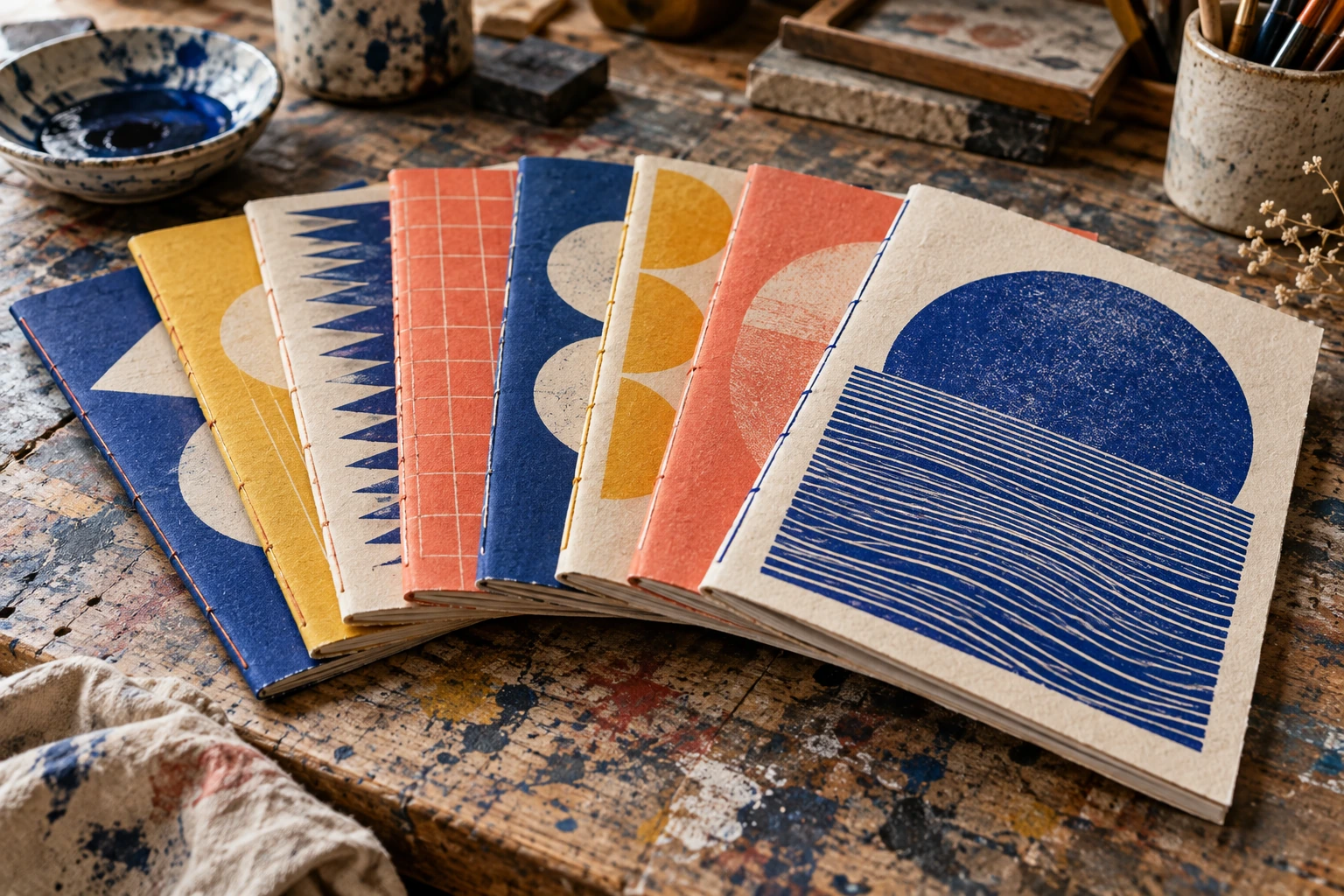
Start with the object.
Let the format do some talking.
01 / A useful order of operations
Five decisions shape almost everything that follows. Keep them visible while you make the first dummy.
What should remain with the reader?
How will they find, hold and use it?
Choose scale, fold and reading order.
Limit pages, colours or production time.
Make the object before making the edition.
02 / Ink, paper, pressure
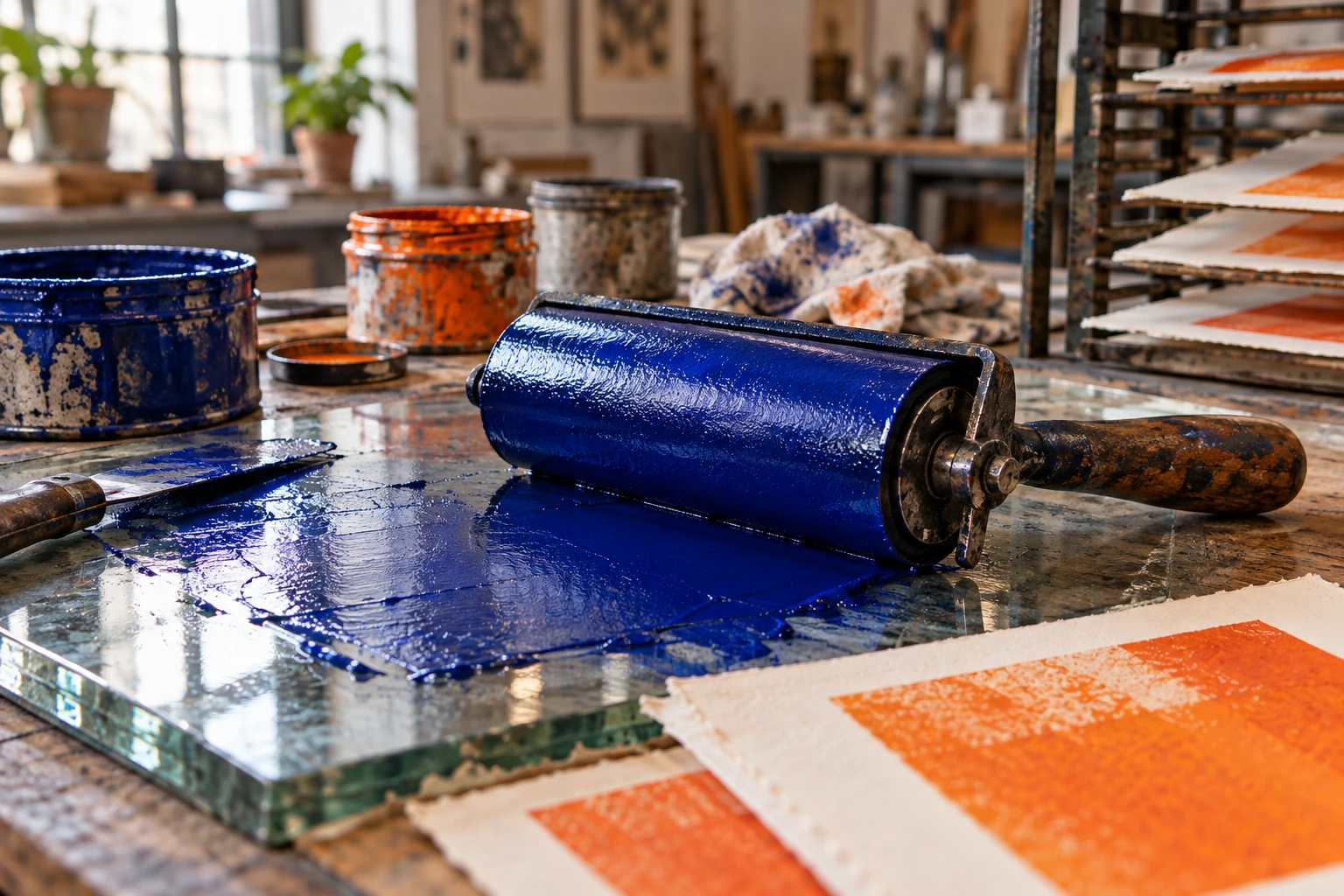
A useful route for small quantities and changing content. Make one physical proof on the intended stock; a screen cannot show paper colour, show-through or the way a dark area sits on the sheet.
Layered spot colours reward simple separations and deliberate overlap. Test registration and drying before committing to a full edition. Build the design around the process’s tolerances.
Relief and screen processes make pressure and ink deposit tangible. Begin with a small test area, keep an approved proof beside you, and compare as you work.
03 / The paper rehearsal
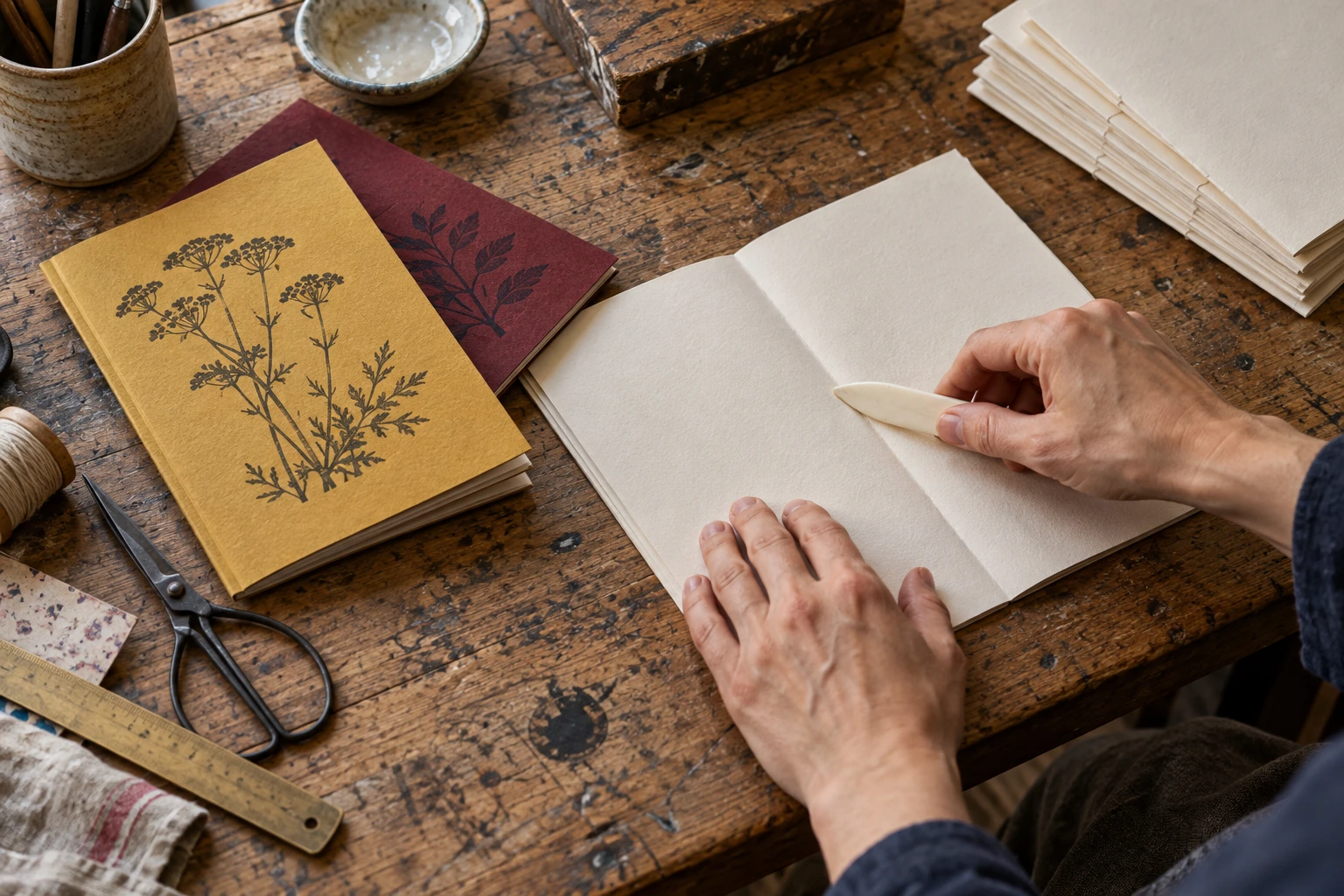
A blank folded dummy catches things a flat layout hides: the inside cover, the centre spread, the page that appears before the one you expected.
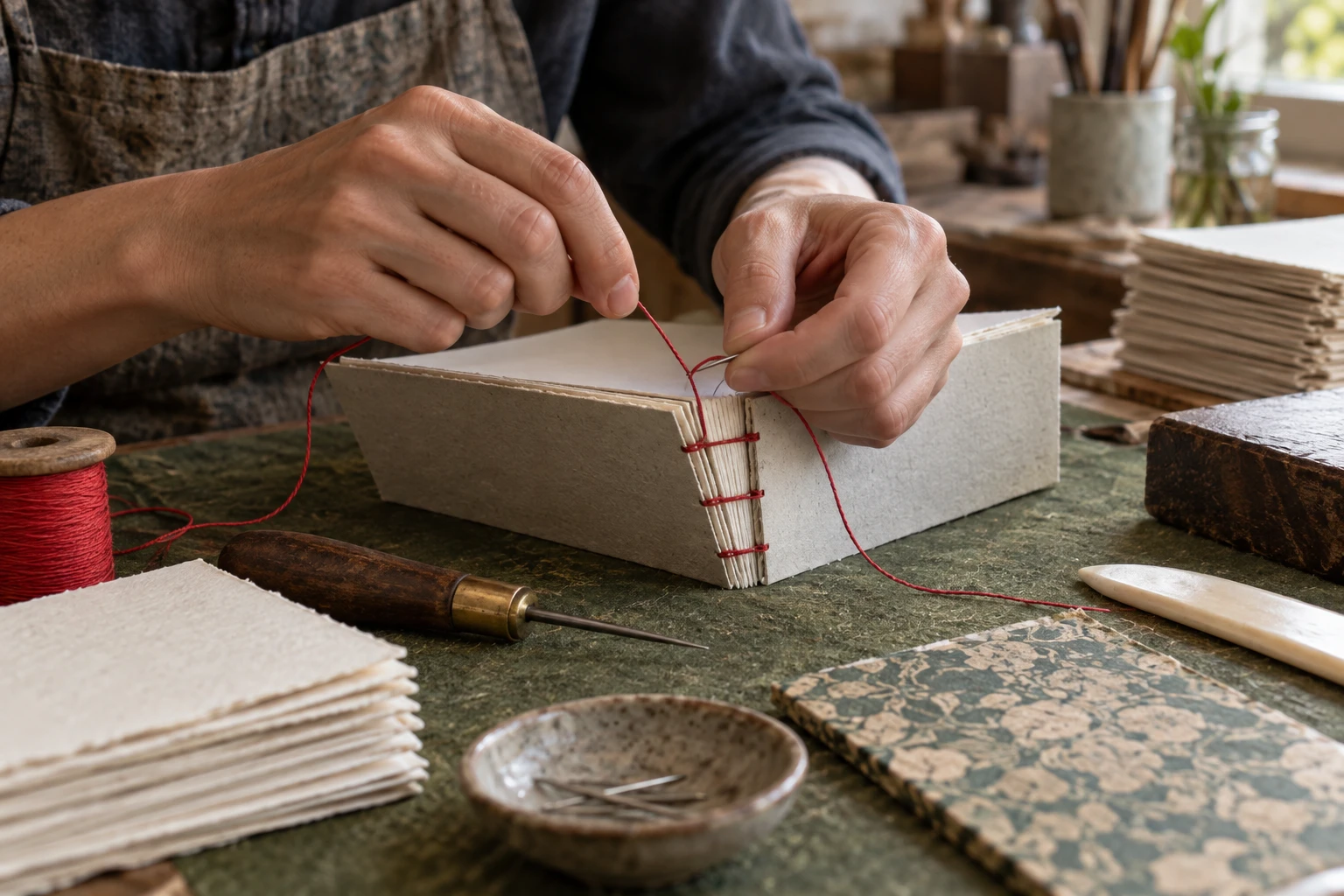
04 / Give the pages a way to stay together
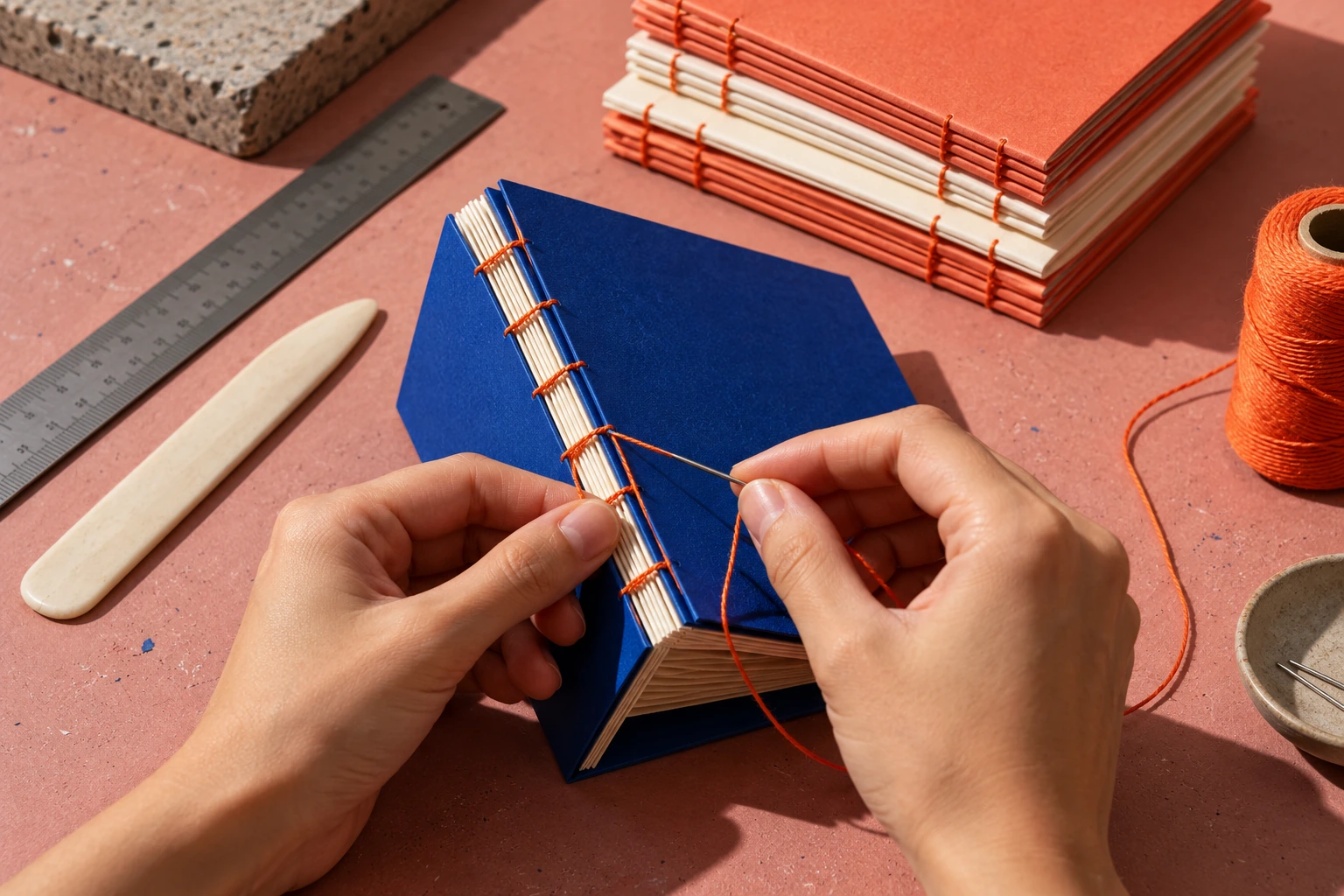
Binding changes how a publication opens, how much it can hold and whether it can be repaired. Test the movement, not only the appearance.
05 / Work in the open
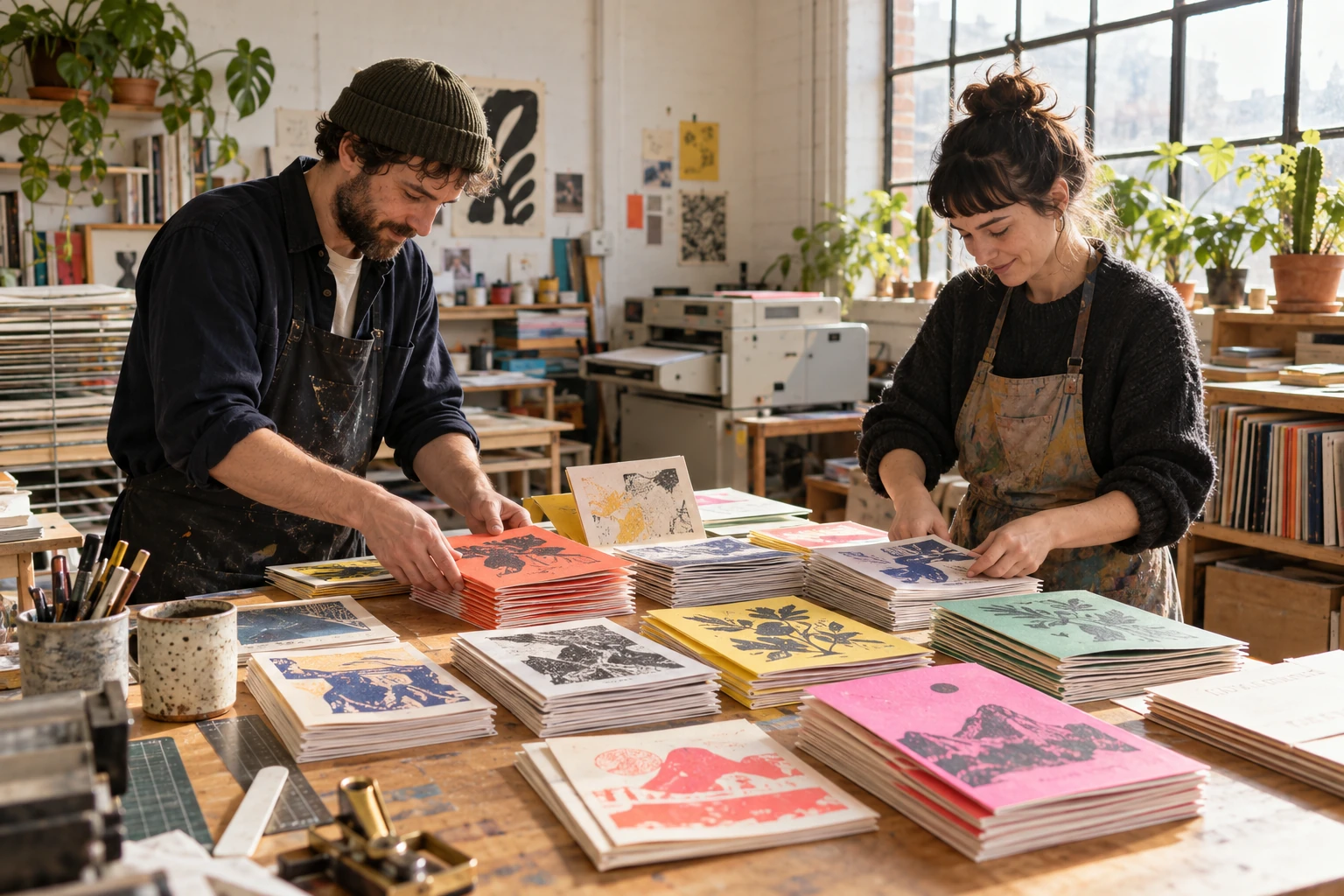
Lay out every spread at once. Invite someone to read without explaining the concept. Watch where they turn back, hesitate or skip.
Ask about sequence.
“What did you expect to see next?”
Ask about use.
“Where would you put this when you finish?”
Ask about clarity.
“What is the one thing this is about?”
The edition planner
Plan sheets for a simple folded, saddle-stitched booklet. Four finished pages fit on each sheet printed on both sides.
Includes the cover in your page total. Assumes one folded sheet per four pages, no trimming loss, no separate cover stock. Confirm imposition and stock with a physical dummy.
06 / Formats to try
Use a single sheet and a simple fold to put two ideas in dialogue. Make the outside ask a question that the inside develops.
Collect a small set of related observations. Use one spread for each relationship and reserve a quiet page for context.
Design something that can be unfolded while standing. Test whether labels remain clear when only part of the sheet is visible.
Give each contributor the same page size and one constraint. Edit the transitions so the publication feels like a conversation, not a folder.
4 entries shown.
07 / A proof has a job
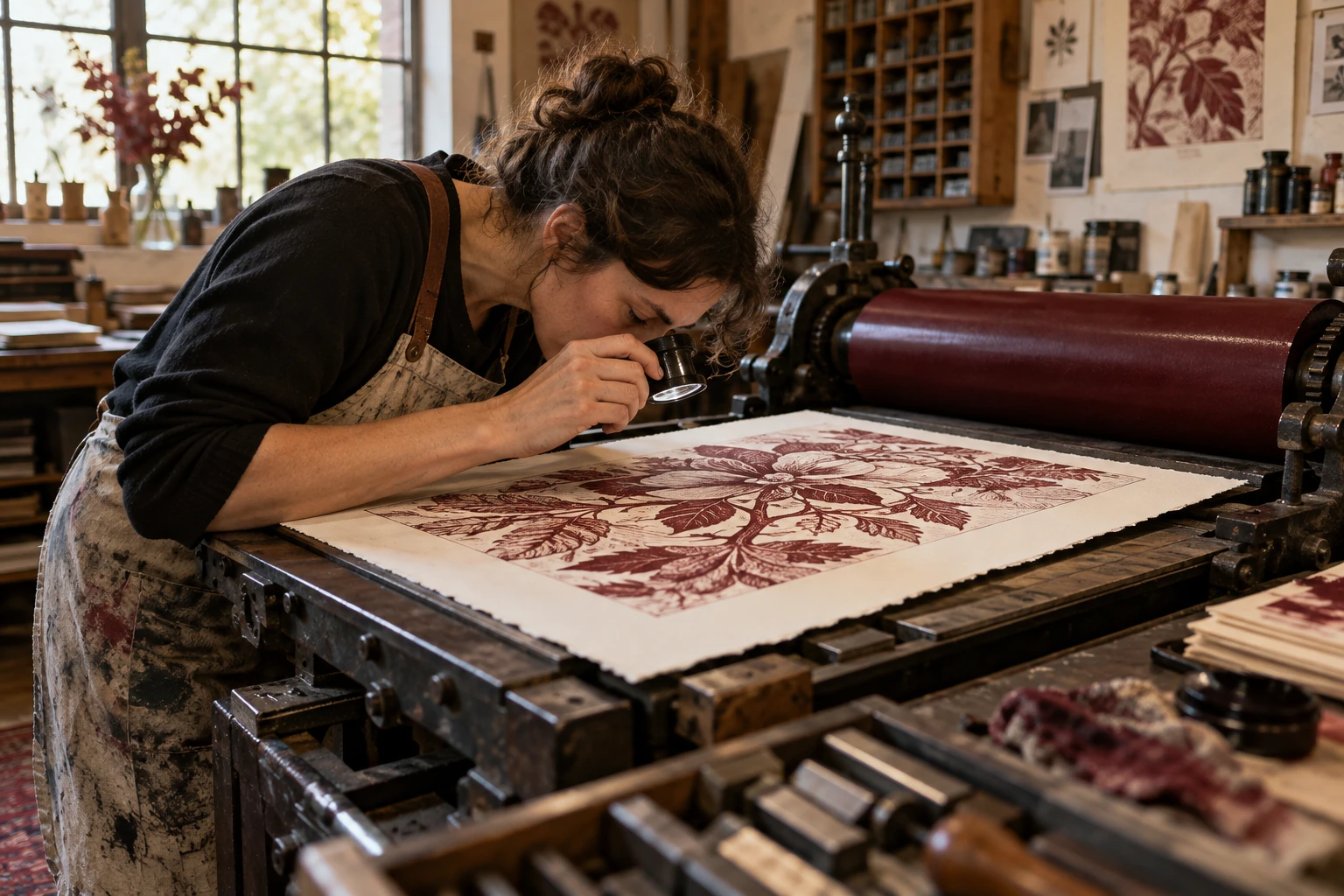
Read the physical proof in ordinary light. Check the smallest type, the darkest area, the page order and every edge that will be trimmed.
Date it. Mark the stock and settings. Use it as your reference during production rather than relying on memory.
08 / From a proof to an edition
Keep a record of what you made and what you would change. A small edition is an opportunity to learn from a complete object.

09 / The preflight
Tick each preparation when it is ready for a trial run. This page keeps no saved checklist.
10 / Before your first edition
Begin with a quantity you can produce, check and distribute thoughtfully. Make a complete single copy before committing to the run.
A booklet made from folded sheets usually does. Other constructions have different constraints. The edition planner specifically assumes four finished pages per folded sheet, including the cover.
Yes, for a first dummy. Test the final stock separately: thickness, grain direction and ink coverage can change how the object folds and opens.
Note the format, page count, stock, process, binding and actual usable quantity. Add one practical change for the next edition.
11 / The workshop inbox
Ask about an exercise or tell us where a production step needs a clearer explanation.